
Since their inception, the wall mounted touchscreen has been the primary control mechanism for smart homes, but in the modern world, does a proprietary, standalone touchscreen really make sense?
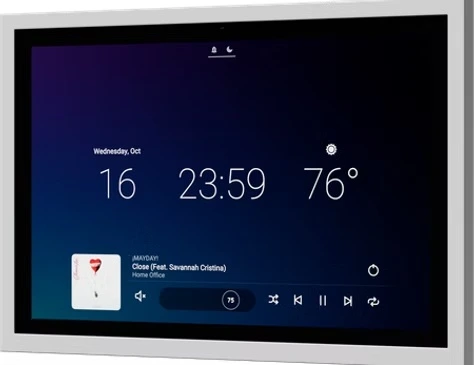
Pictured above is the Control4 T5 11" Touchscreen, RRP - $3,000 (AUD)
It's main competition in the residential market are -
* Crestron 80 Series 10", RRP - $4,147 (AUD)
* Savant Touch Control Screen 10", RRP - $3,700 (AUD)
Each of these touchscreens will only control your Control4, Crestron, or Savant Smart Homes.
* They can't access any shared calendars or shopping lists.
* They can't access any family device location sharing.
* They can't be used to view or monitor your solar/inverter or home batteries.
* They can't have future devices added by a user without a service fee.
This seems like a lot of expense for extremely limited functionality when compared to the current generation of iPads-
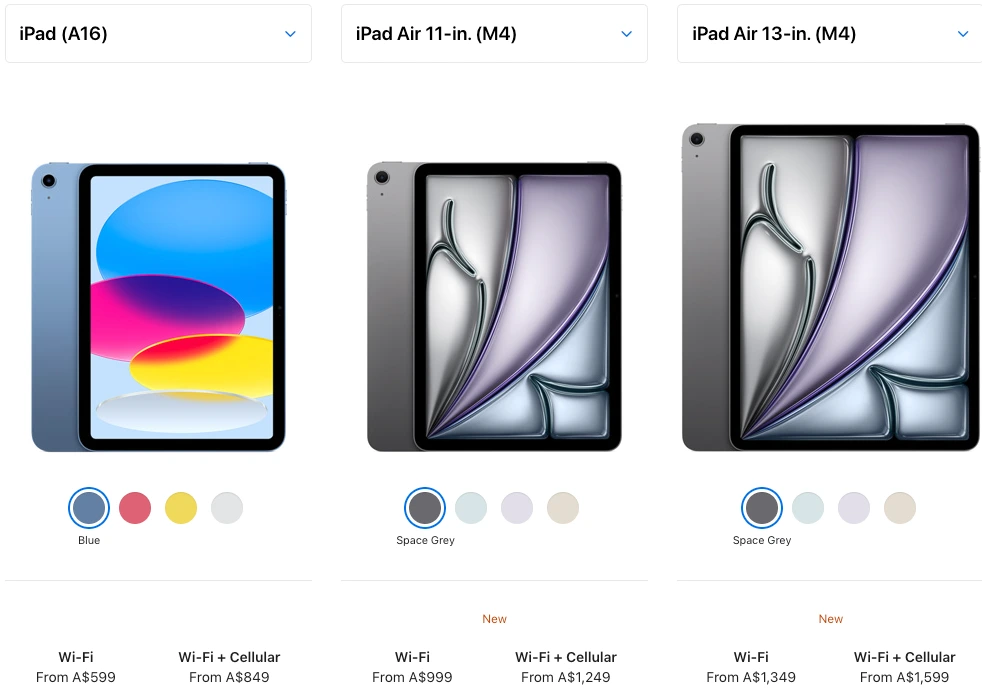
All of which offer direct dedicated home control (including the ability to lock the iPad to the home control app), but also all offer - native Siri voice control, and the ability to access any other apps you might want to share data across your family from, like calendars, shopping lists and location information.
"Why wouldn't I just buy iPads instead of Control4/Crestron/Savant touchscreens?
All those platforms have an app for iPads?"
Seems like a logical question, and one that has also occurred to most of the proprietary smart home platforms.
Numerous examples exist of proprietary platforms flagrantly crippling specific functionality from their iPad apps to force their customers into using their touch screen hardware.
- Try answering a call from any of your intercoms via the Control4 App on an iPad, and discover that despite this function working fine on your iPhone, it cannot be done on iPad.
The solution is that wall and tabletop touchscreens in your home should run on the same operating system, using the same interfaces as the device you carry in your pocket and use all day. Your smart-home should be built specifically with that platform in mind.
If your an existing iPhone user, the ease of use and functionality of a smart-home built specifically for Apple Home, combined with wall mounted iPads, Apple TV's and Airplay 2 Compatible Audio Zones not only offers a better experience for the end user, but a far more cost effective one.
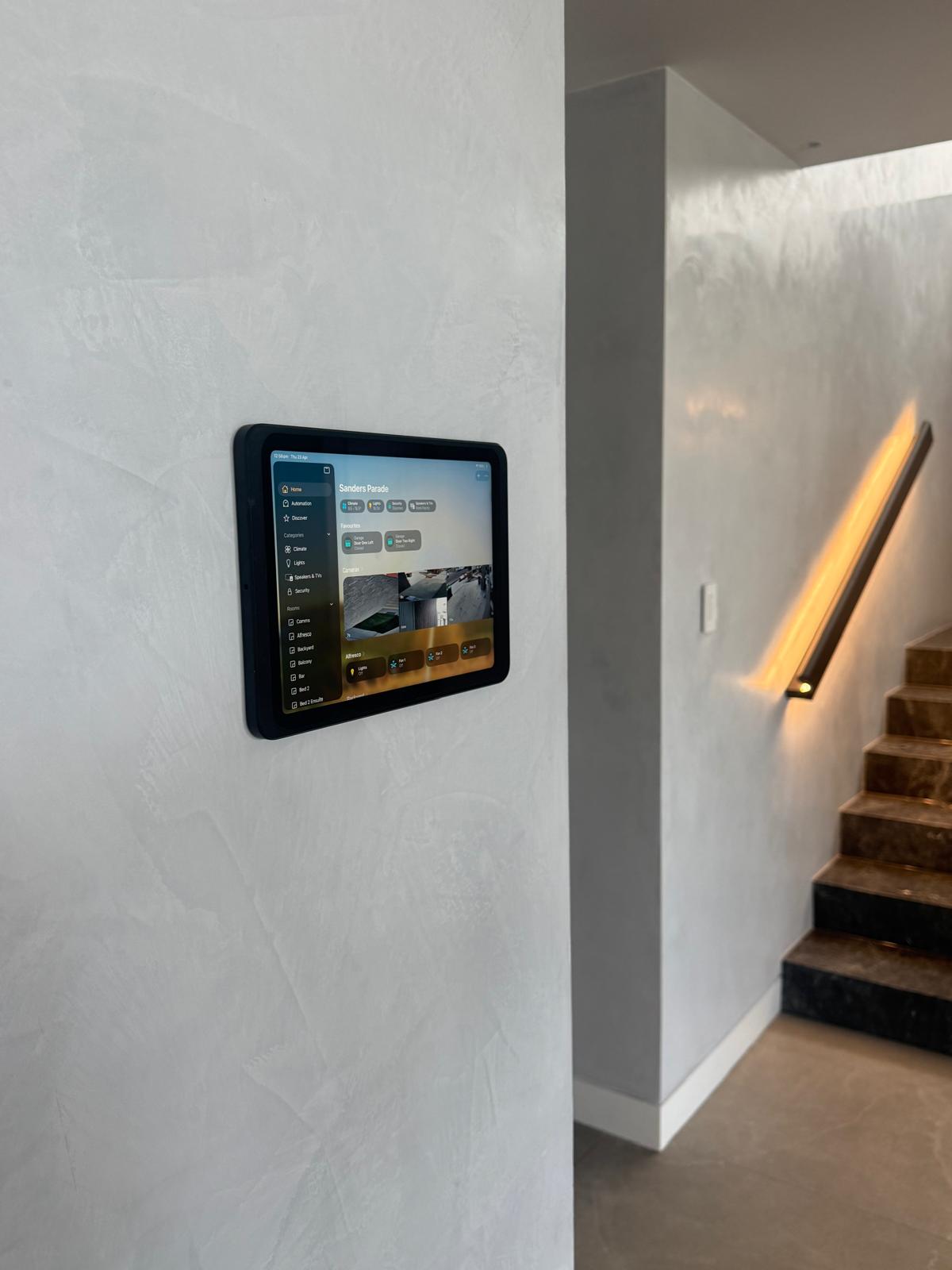
Add to this the ability to share your calendar, lists, location and any other data you want (and none you don't!) easily with the family on any touchscreen, plus native voice control.
This makes it simple to enjoy your home fully, without ever needing your phone on you.
The argument against the iPad comes down to 2 misconceptions
"1. They're not designed for wall mounting."
There are numerous, beautiful, slim, or flush, in wall options available from loads of reputable vendors for wall mounting iPads. Nicer options are more expensive, but even with the iPad cost, is still significantly cheaper than the proprietary screens.
"2. Hardware from Control4, Crestron, Savant etc is designed to last much longer than a consumer device device like an iPad"
The longevity argument that these manufacturers are producing devices intended for the lifespan of the home doesn't actually hold water in the real world.. Anybody who's ever used a 10 + year old wall mounted touchscreen in a home will attest to that fact.
The lifespan of an iPad may only be 5-7 years in real world scenarios, but for this 5-7 years you get free updates, and new, enhanced features from Apple the whole time, at no cost.
Upgraded functionality in any proprietary home control display will always come at an additional cost.
Add in the consideration that at half the cost, you can afford to replace the hardware twice as often if you want and the equation becomes a very simple one.